As a psychologist of religion and spirituality, I’ve often been asked what I mean when I use the word “spirituality.” I’ve been studying this topic for 30 years, and though I’ve found some definitions helpful, I’ve always suspected these definitions somehow come up short. For example, renowned psychologist of religion and spirituality, Ken Pargament, defines spirituality as “the search for the Sacred.” I like this definition, and in some ways, I rely on it, including in this article. But what exactly is “Sacred?” And how exactly do people go about “searching” for it?
I recently finished reading the book “Done: How to Flourish After Leaving Religion,” by another psychologist of religion and spirituality, Daryl Van Tongeren. The final chapter, “Post-Religious Spirituality,” offers a fresh way of thinking about these questions that brought me clarity, as it lays out seven different ways of being spiritual. Not seven different religions or dogmas. Seven varieties of spiritual experience. When I read this chapter, something clicked into place and, after all these years, I felt like I understood spirituality differently.
As you read below, you might ask yourself: how many of these seven ways of being spiritual resonate with you?
Five Ways We Encounter the Sacred
Van Tongeren begins by drawing on a 2015 study in which he and his colleagues advance a deceptively simple insight. People differ in perceptions of what’s Sacred. These differences lead to five primary sources of spirituality:
- Theistic spirituality. For some, the Sacred is found in God, or some kind of Higher Power. This form of spirituality is common, particularly because it’s supported by longstanding religious traditions, rituals, and communities. Van Tongeren notes that faith, at its core, reflects trust in something higher and hope for something beyond present reality – characteristics of theistic spirituality as well. If you would describe yourself as feeling near to God, this may be a defining part of your spiritual life.
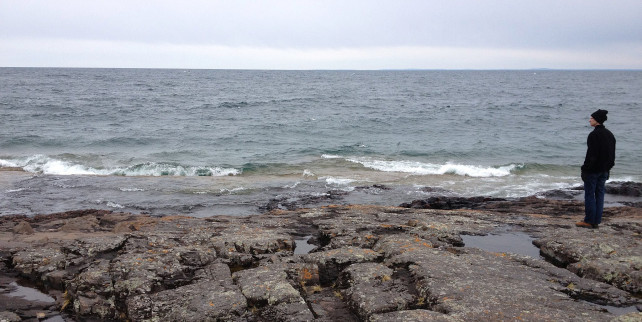
- Nature spirituality. For others, the Sacred is rooted in a deep connection with the natural world. In essence, nature spirituality involves awe and reverence for the earth and its beauty. This can be witnessed in someone who finds great meaning while walking in the woods, gazing at the stars, or observing an animal. Some may feel this while caring for a plot of land close to home or working for environmental preservation or justice more broadly. If you feel close to nature, this may be an important form of spirituality in your life.
 Andy Tix