Many people experience a spiritual connection in nature. I know I do. When I hike through the woods, sit by a stream, gaze at the sky, or even listen to a bird sing, I feel part of something larger. Nature feels like a cathedral to me, offering sacred space to reflect on my relationship with the Divine.
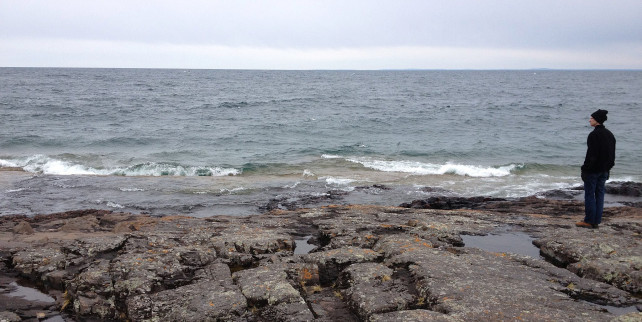
Psychologists have a name for this impulse to perceive the sacred in nature: “ecospirituality.” In a recent article published by the Association for Psychological Science, scientists reviewed research on how ecospirituality relates to two of the great challenges facing our world today: (1) preserving the well-being of our planet and (2) preserving the well-being of ourselves.
What is “Ecospirituality?”
Many of us love spending time in nature. We may even identify as “environmentalists.” Ecospirituality, however, goes further: it involves viewing nature as inherently “spiritual” or “sacred,” something that inspires reverence or a sense of timelessness. Consider these statements, which come from the main scientifically validated measure of ecospirituality:
“There is sacredness in nature.”
“When I am in nature, I feel a sense of awe.”
“Sometimes I am overcome with the beauty of nature.”
Do you resonate with these statements? If so, you likely score high in ecospirituality.
Ecospirituality Inspires Environmental Preservation
Our planet faces more environmental challenges than I can list here. Psychologists believe that perceiving a spiritual connection in nature motivates people to take care of our earth beyond the influence of other pro-environmental attitudes and identities.
For instance, in one study, participants high in ecospirituality perceived elements of the natural world (like oceans, mountains, and forests) to be closer to their inner circle of moral concern than participants low in ecospirituality. For those high in ecospirituality, in other words, the earth feels more like a good neighbor we’re compelled to help than a foreign citizen we feel we should.
Ecospirituality also encourages feelings of gratitude. When we perceive something spiritual in nature, we tend to appreciate it more.
Overall, available research suggests that, if we believe nature is sacred, we hold it closer to our hearts, and we’re more grateful for it. This makes us more likely to want to protect it.
Ecospirituality and Well-Being
Ecospirituality not only benefits our planet, however; it also benefits our emotional health. Psychologists believe that those who engage with nature on a deeper, spiritual level experience a range of such personal benefits.
Continue reading
 Mary Oliver is best known for her nature poetry, and has been awarded a Pulitzer Prize and National Book Award. For those who don’t know anything about her, here is a
  Andy Tix